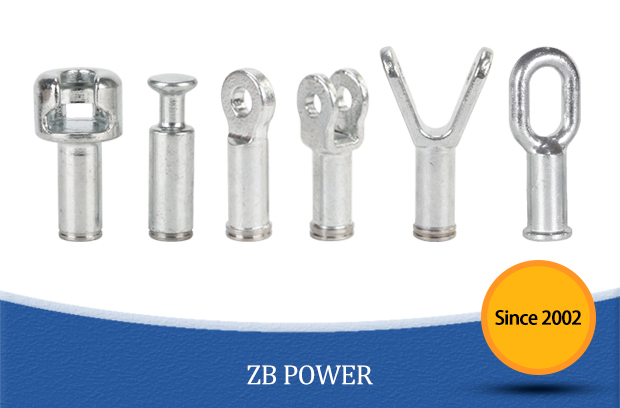
Composite suspension insulators are used to support overhead transmission conductors on steel towers and to electrically isolate the energized conductors from the grounded tower structure. They are typically arranged in strings and are designed to withstand mainly tensile loads caused by conductor weight, wind, and ice, while providing sufficient creepage distance for safe and reliable electricity supply.
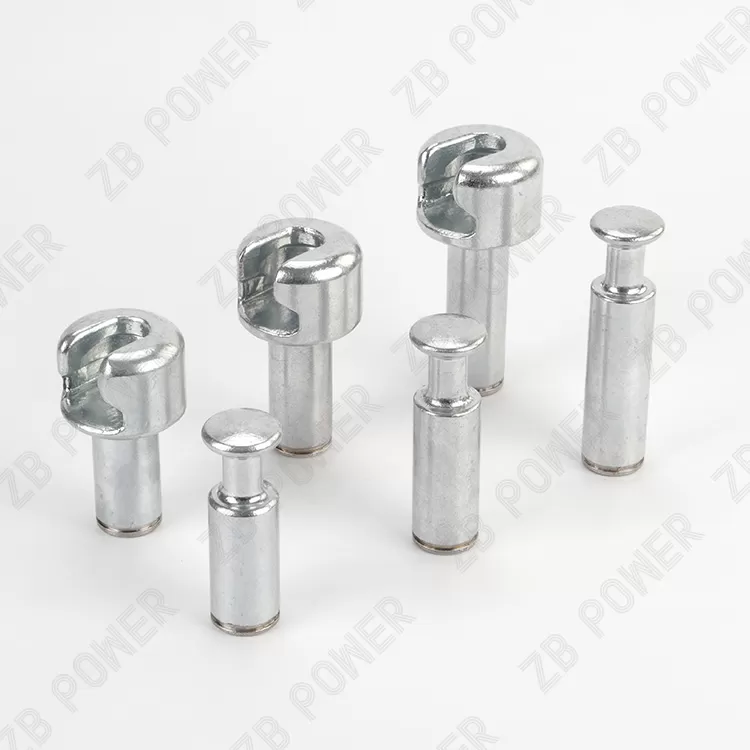
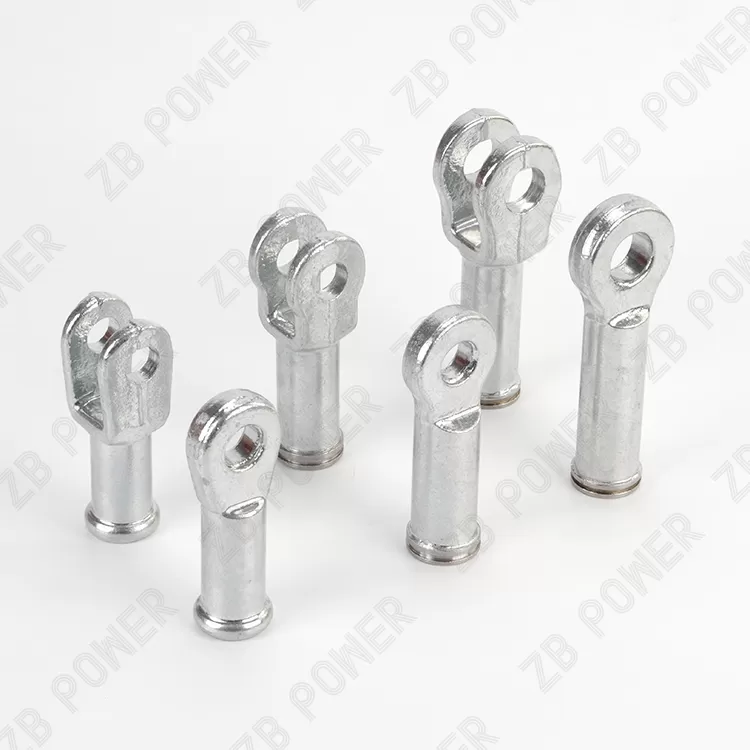
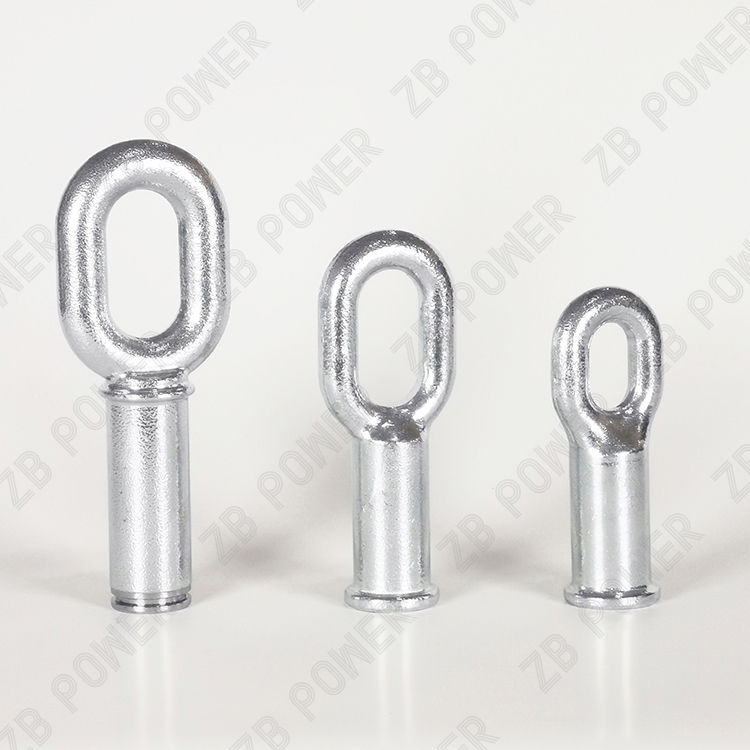
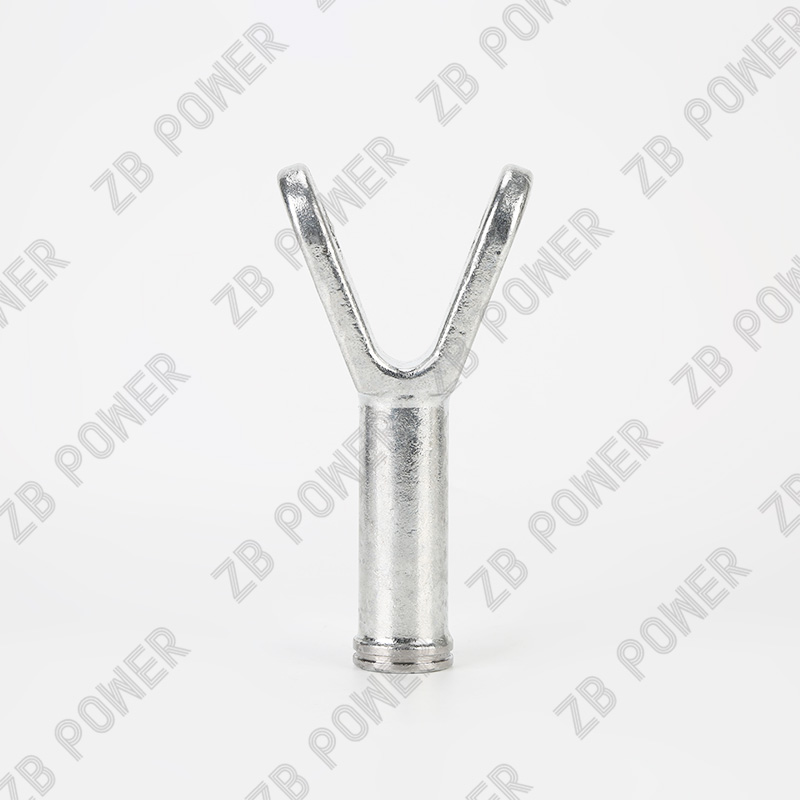
A composite suspension insulator generally consists of three main components: an FRP core that provides mechanical strength, a silicone rubber housing that ensures good weather and pollution resistance, and metal end fittings that connect the insulator to adjacent insulators, tower hardware, and conductor clamps. The suspension end fittings are classified into six types according to coupling type: ball, socket, tongue, clevis, eye, and Y-clevis. These fittings provide the mechanical interfaces between the insulator and the associated hardware. Common mating pairs include ball–socket and tongue–clevis, while eye and Y-clevis fittings are used for connections to yoke plates and other associated hardware. Proper selection and matching of end fittings are therefore essential for mechanical integrity, installation efficiency, and long-term operational reliability.