Composite insulators (polymer insulators) are the standard insulating solution for overhead transmission and distribution lines, combining a fiberglass-reinforced polymer (FRP) core rod, a polymeric housing with sheds, and metal end fittings into a single engineered assembly. The FRP core carries the mechanical load path, the silicone or EPDM housing protects the rod from moisture and tracking while extending the leakage path, and the metal end fittings provide the physical interfaces that connect the insulator to conductors, towers, and adjacent hardware.
Within this three-part architecture, end fittings are not peripheral accessories—they are the critical interface on which the entire insulator's mechanical reliability depends. The fitting-to-rod connection must transfer tensile and cantilever loads from the conductor to the support structure without separation, while simultaneously sealing the rod end against moisture ingress. End-fitting failure—where the metal hardware separates from the rod under load—is widely recognized as the most consequential failure mode of a composite insulator because it can lead directly to conductor drop. For this reason, coupling dimensions and strength classes for composite string insulators are internationally standardized, most notably under IEC 61466-1, which covers ball, socket, tongue, clevis, Y-clevis, and eye couplings so that insulators and fittings from different manufacturers remain mechanically interchangeable. Regional specifications such as DL/T 1579 further define fitting categories, dimensional tolerances, sealing requirements, and mechanical proof loads for line voltages ranging from distribution through UHV.
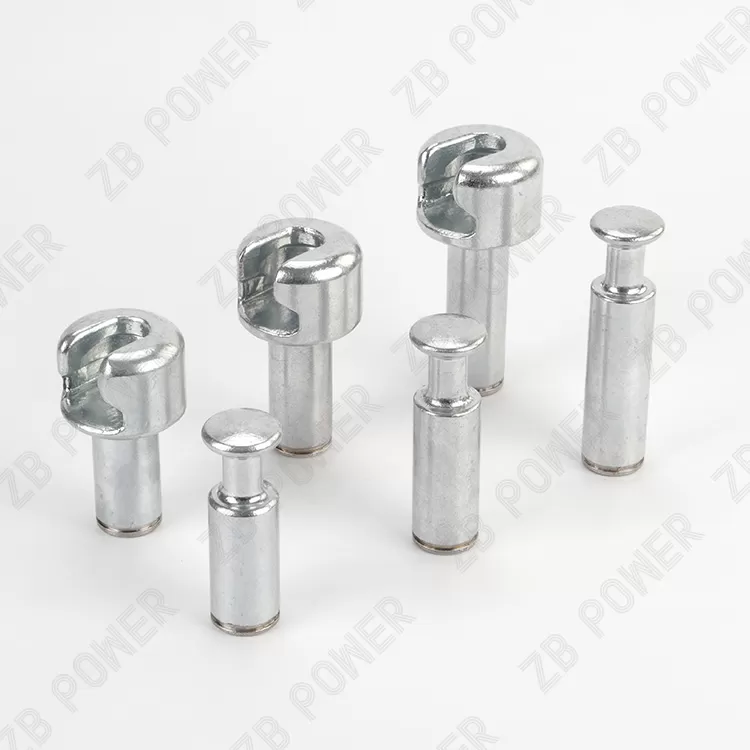
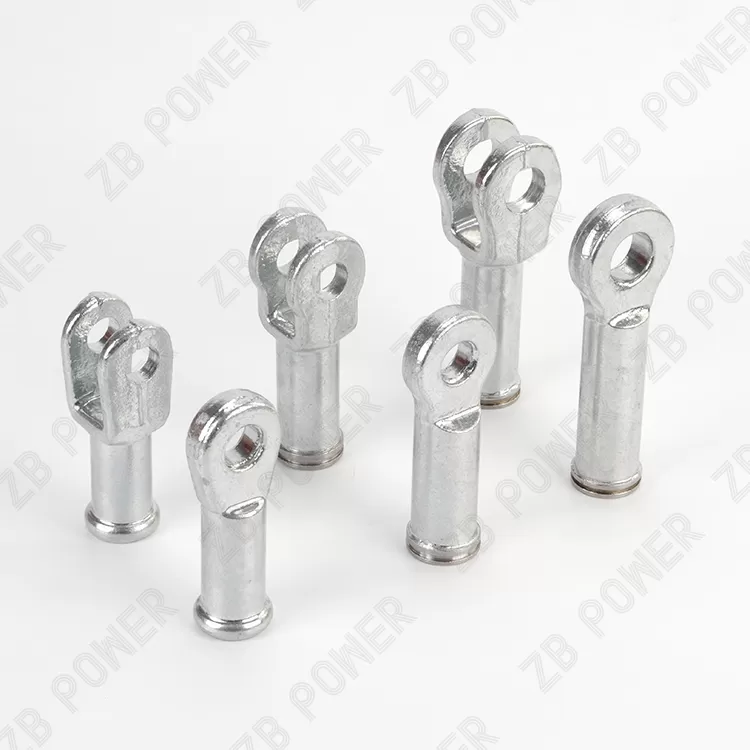
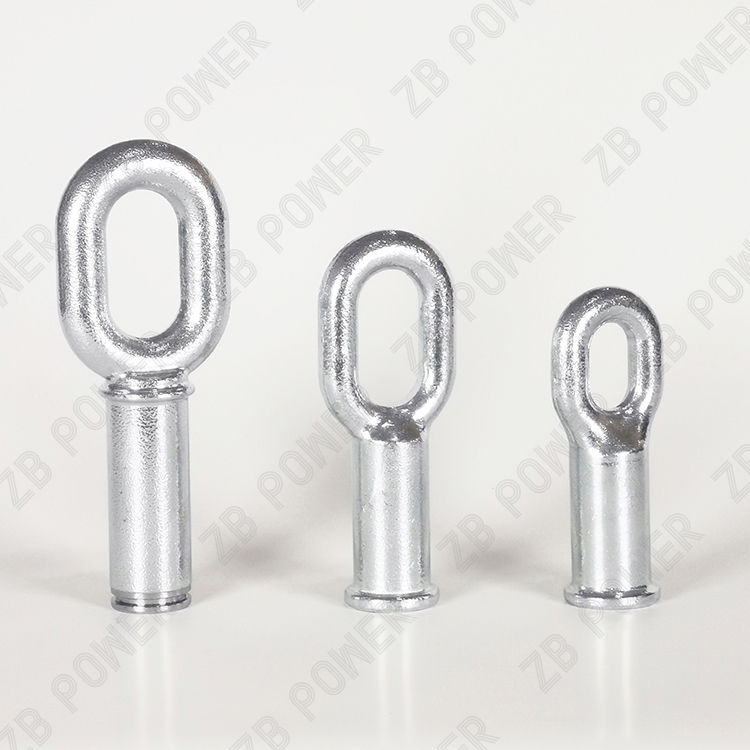
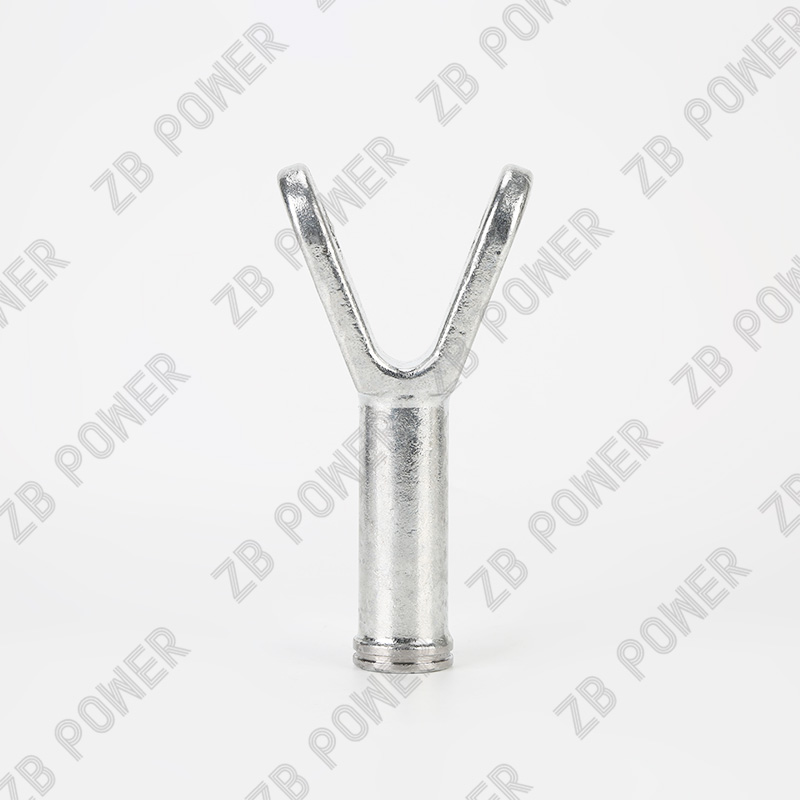
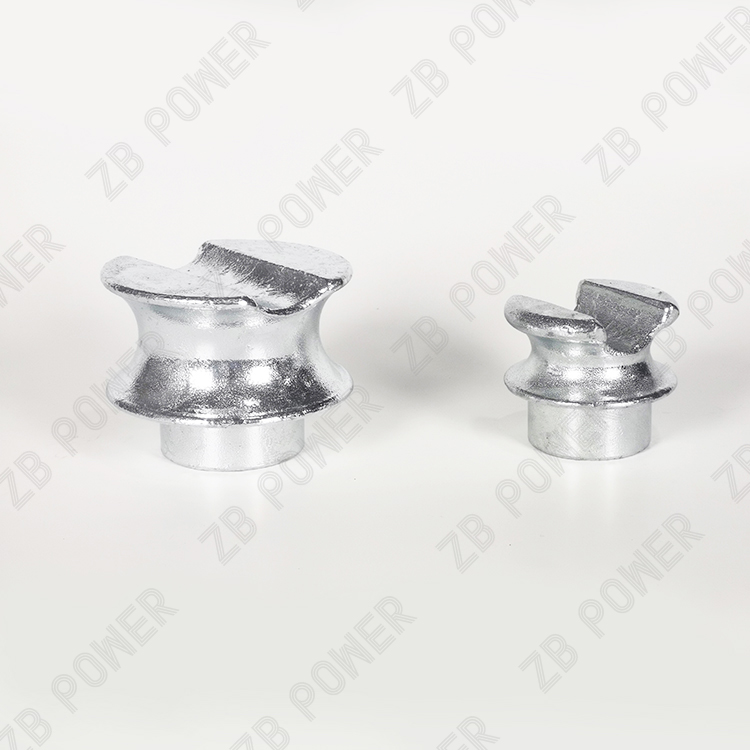
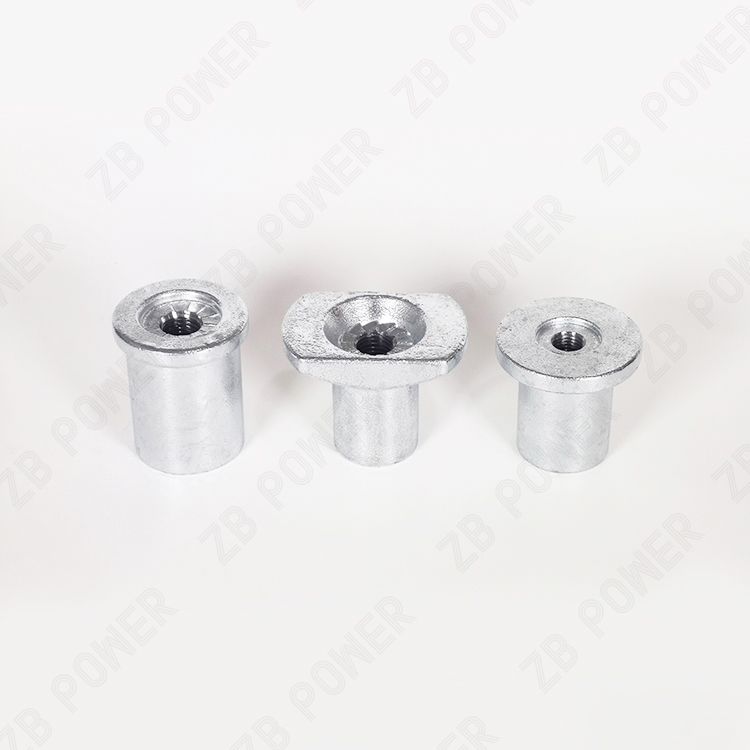
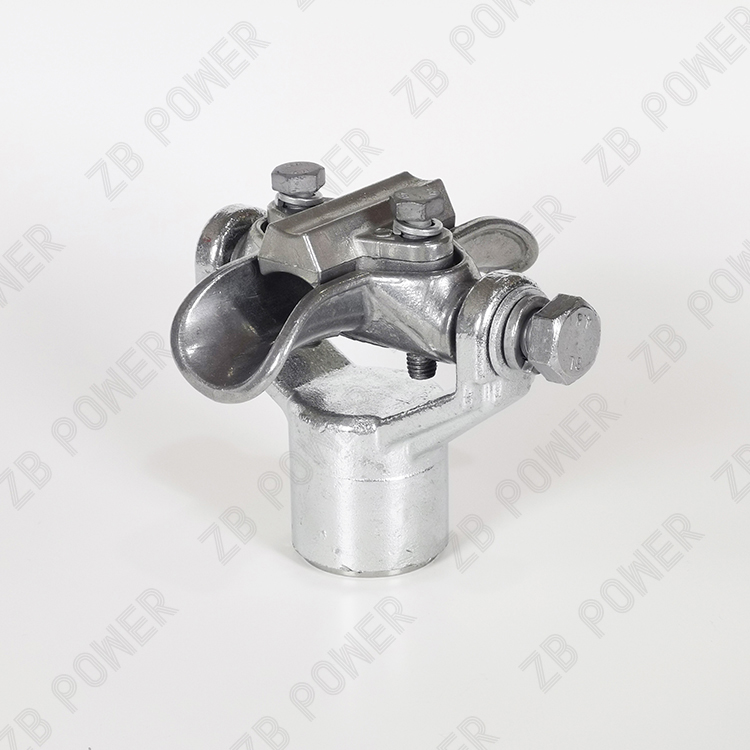
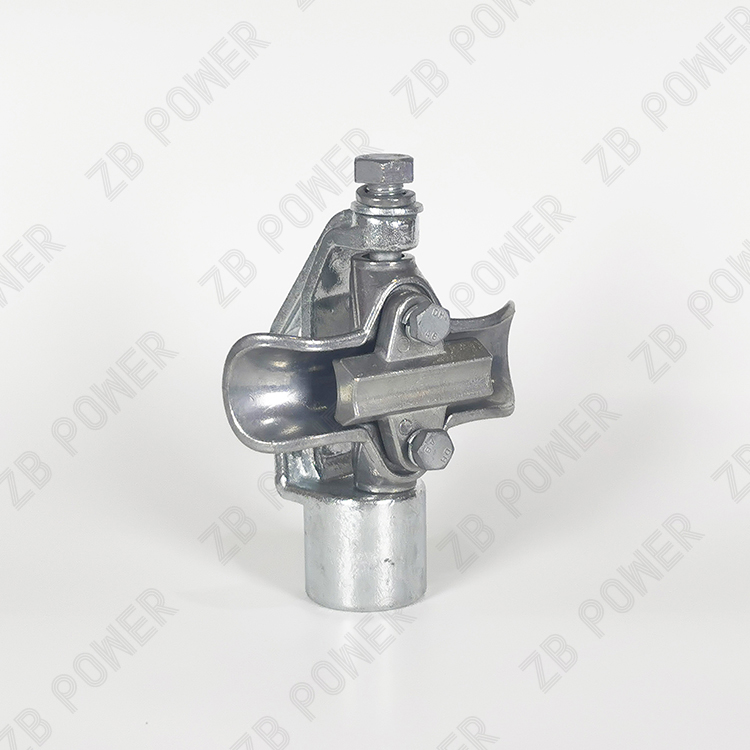
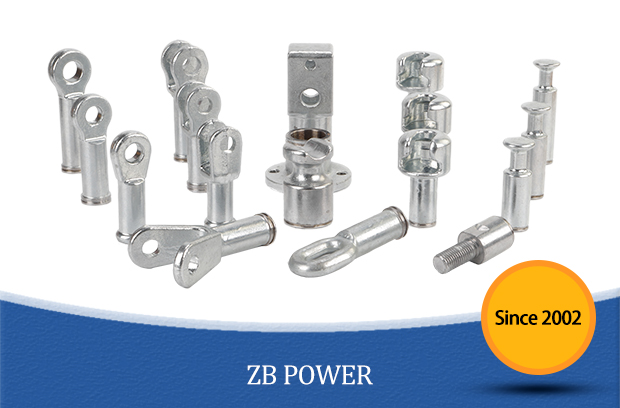
The product range presented here covers the coupling and connection families used across suspension, tension, and line post applications. In suspension strings, ball-and-socket and tongue-and-clevis pairs are the dominant couplings, with eye and Y-clevis fittings used at yoke plates and bundled-conductor assemblies. Line post and braced configurations call for fittings adapted to cantilever loading and rigid mounting. Materials are typically hot-dip galvanized steel or aluminum alloy, selected for mechanical strength and corrosion resistance over decades of outdoor service.


We are a factory and our factory building covers an area of 2,400 square meters.
Yes, we can provide CO for each order.
Yes, we accept customization according to your drawings or samples.
Our quality control system covers every process from raw materials to finished products, including incoming inspection, production inspection, and delivery inspection.